

35 years of GBR: The surgical key factors to achieve successful outcomes with excellent long-term stability
In 2023, we celebrated the 35th anniversary of the first GBR procedure done at the University of Bern/Switzerland.
Since then, GBR has become the most important bone augmentation procedure with estimated 3 million GBR procedures per year globally. GBR offers predictable regenerative outcomes for horizontal and vertical bone augmentation. This lecture will present the development of GBR procedures in implant patients since the late 1980’s. During the development phase, different biomaterials including barrier membranes, bone grafts and bone substitutes were tested in animal studies, and the surgical techniques constantly improved to optimise treatment outcomes in patients and reduce post-surgical complications with GBR procedures. Since the millennium change, a phase of fine-tuning efforts started. Significant progress was based on a much better understanding of the local bone anatomy driven by progress with CBCT, and the related tissue biology including the post-extraction ridge alterations and the principle of bone conditioned medium.
Today, implant placement with simultaneous GBR procedures is done by our team with a two-layer composite graft using (a) locally harvested bone chips and (b) a low-substitution bone filler, such as DBBM (deproteinized bovine bone mineral/Bio-Oss). The autograft bone chips stimulate bone formation during initial healing, whereas DBBM particles offer excellent volume stability over time. The two synergistic bone fillers are covered by a resorbable collagen membrane (Bio-Gide). The membrane provides a temporary barrier function and stabilizes the applied bone fillers. In some cases, fixation pins are utilized to further improve membrane stability, often called sausage technique. The surgery is completed with a tension-free, primary wound closure to protect applied biomaterials. The surgical procedure for horizontal bone augmentation will be shown in various clinical situations with different case reports and documented by clinical and radiographic longterm cases and studies using CBCT up to 25-years of follow-up.
Aims and objectives
• After this lecture, the participants will have a much better understanding on tissue biology
• They unterstand the selection criteria, when to use the various treatment options in implant sites with bone deficiencies
• They will know the synergistic properties of a two-layer composite graft with autogenous bone chips and a low-substitution bone filler like DBBM
• They will learn why resorbable collagen membranes are routinely used for horizontal bone augmentation with GBR
• They learn what surgical factors are important to achieve predictable regenerative outcomes
Speakers

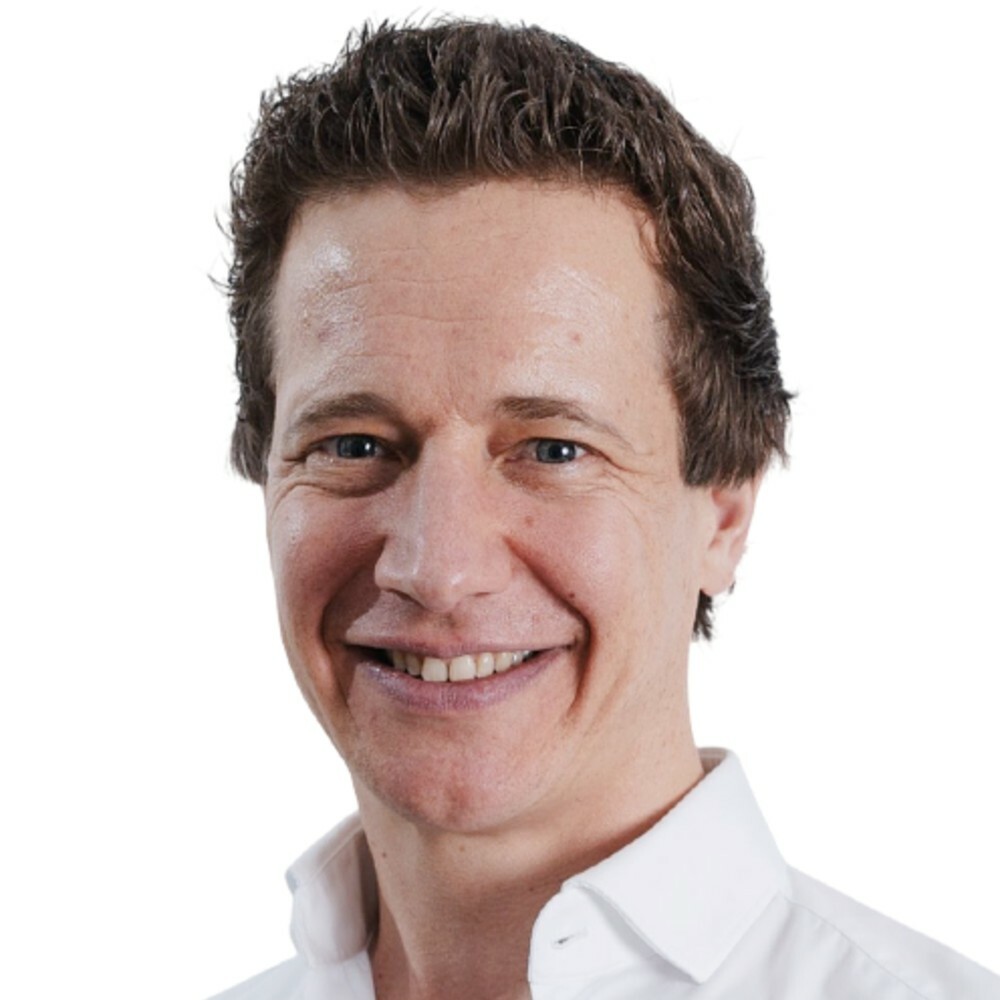
Prof. em. Dr. Daniel Buser Global Key Opinion Leader, Switzerland
More courses with Prof. em. Dr. Daniel BuserProf. Daniel Buser is one of the most experienced implant surgeons with 35years of surgical experience. He is a pioneer of micro-rough implant surfaces, and of the GBR technique. He has been Professor and Chairman at the Department of Oral Surgery at the University of Bern in Switzerland (2000-2019). He served as President of various academic associations including the European Association for Osseointegration (EAO) in 1996/97, the Swiss Society of Oral Implantology (SSOI) in 1999-2002, and the ITI in 2009-2013. He was also member of the Board of Directors of the Osteology Foundation (2004-2018). He received several scientific awards by professional organizations such as the ITI, the AO, the AAP and the AAOMS. His main research areas are in tissue regeneration around dental implants, surface technology and Guided Bone Regeneration. He published with his team more than 400 publications, case reports and book chapters. He is also Editor the GBR Book (1994 and 2009). The 3rd edition of the GBR Book will be published in August 2021.